
When waste becomes a resource: vitamin D from blue fish

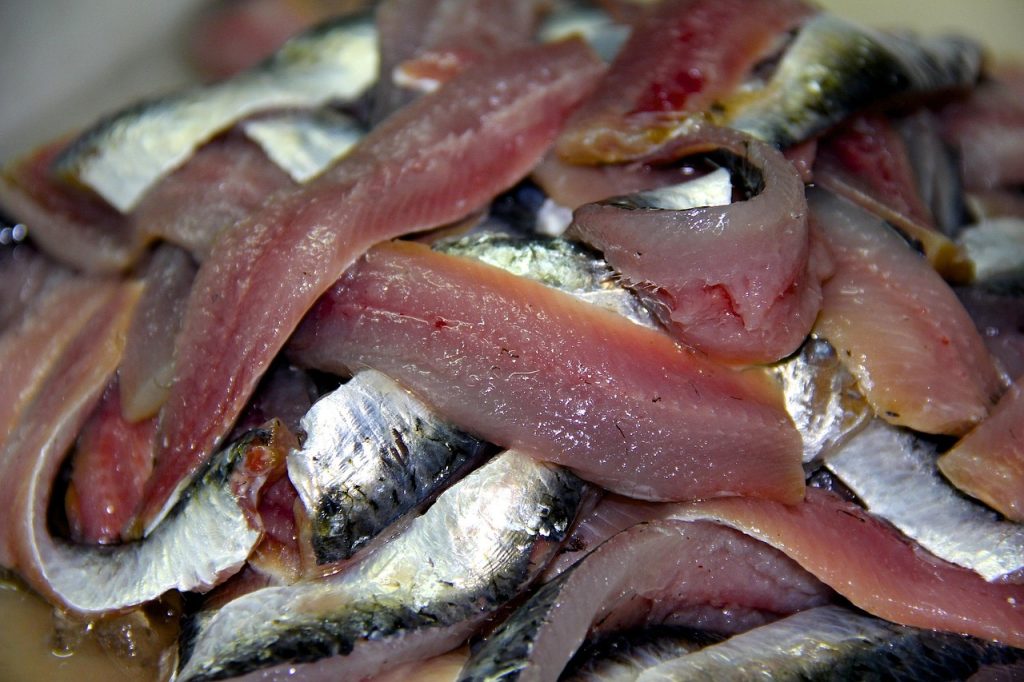
What if what we currently consider waste could become a valuable resource for human health?
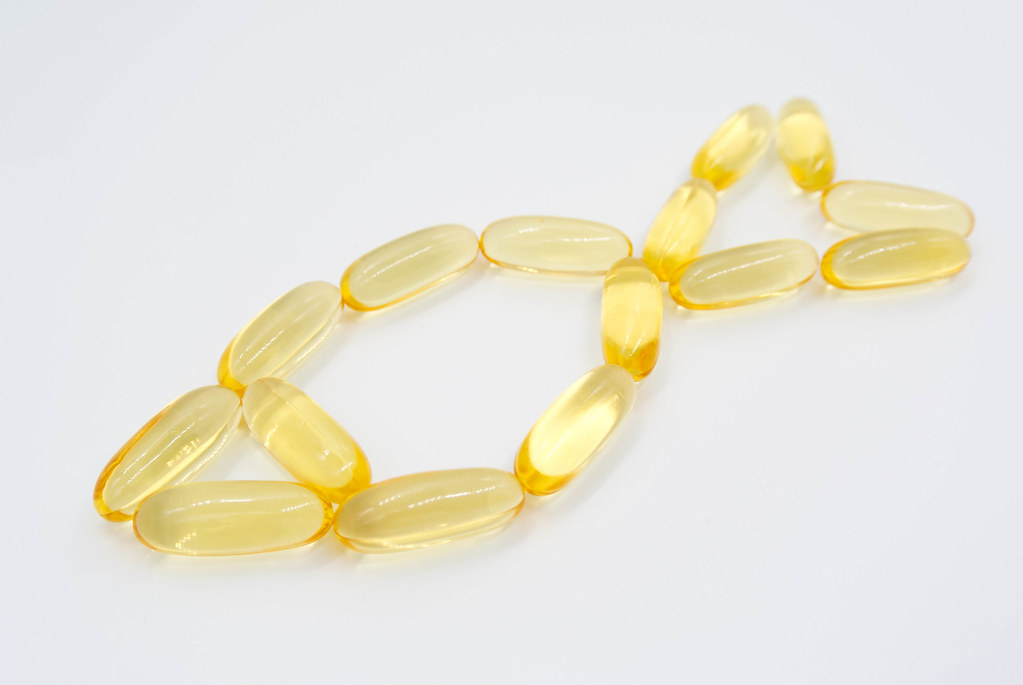
This is the question behind a research project that brings together technological innovation, environmental sustainability and circular bioeconomy. A project developed by ENEA in collaboration with the University of Camerino and other scientific partners, with a clear objective: extracting vitamin D and Omega-3 fatty acids from blue fish processing waste, such as sardines and mackerel.
A value chain rich in hidden potential
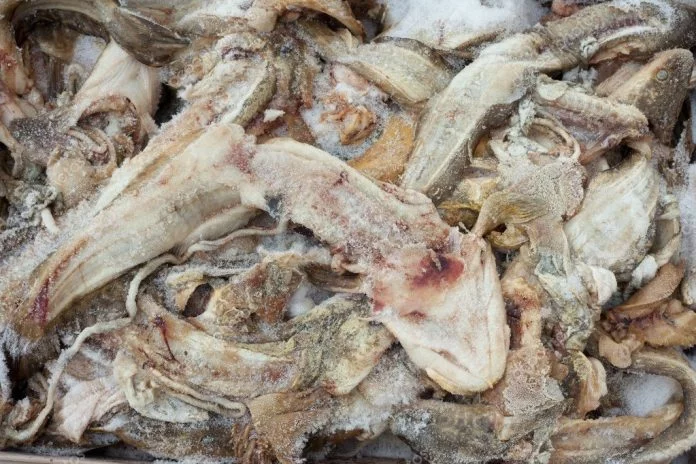
In the fishing and fish-processing sector, a significant portion of biomass never reaches the food market. Heads, viscera, skin and non-marketable fractions are often discarded, despite being rich in high-value bioactive compounds. This research turns that perspective upside down: waste is no longer something to dispose of, but a raw material for new nutraceutical products.
Green technology at the core of innovation
At the core of the innovation lies the use of supercritical carbon dioxide, a “green” extraction technology that allows valuable molecules to be obtained without chemical solvents. The result is a clean, efficient and scalable process, first validated at laboratory scale and then tested in a pilot plant, demonstrating real industrial potential.
Health, sustainability and impact
The relevance of this research goes beyond technology. Vitamin D plays a crucial role in bone health and immune function, yet deficiencies affect a large share of the European population. At the same time, reducing waste in the fish value chain means lowering environmental impact while creating new economic opportunities across the production system.
A necessary shift in perspective
This project is a clear example of applied bioeconomy: research and innovation working hand in hand with sustainability to generate concrete, replicable solutions rooted in real industrial processes.
Looking at fish waste through a different lens opens up new possibilities — not only for health and nutrition, but also for rethinking how we use marine resources. It is in this shift of perspective that some of the most promising answers to today’s environmental and social challenges can be found.
👉 Source: if you would like to explore this topic further, click here.



Would love to get in touch with this project – can we invite them to the Blue5helix perhaps?
Sure, I tried to contact them more times but unluckily I didn’t get any reply. I’ll try again!